
406-226-2518 Explained: Is This Montana Number Legit?
I remember the first time I got one of those mystery calls. My phone buzzed during a family barbecue, and the screen showed an unfamiliar number starting with 406. I let it ring out, but curiosity got me later—I looked it up and found others asking the same thing. Turns out, numbers like 406-226-2518 pop up for a lot of folks, often leaving them wondering if it’s harmless or something to worry about. That’s why I dug into this one specifically. As someone who’s dealt with my share of spam over the years, I wanted to share what I’ve learned in plain terms, based on reports from real people and official sources as of early 2026.

Where Does 406-226-2518 Come From?
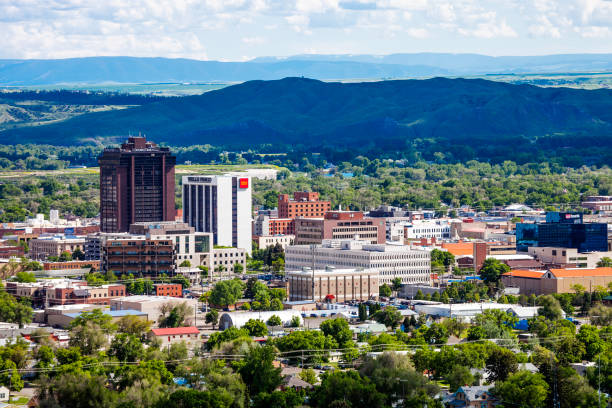
The 406 area code belongs entirely to Montana—that big, beautiful state with glaciers, wide skies, and places like Yellowstone. If you’ve ever visited Billings or Missoula, you know the vibe: open spaces, friendly folks, but also businesses reaching out far and wide.
This particular number, 406-226-2518, doesn’t have a public owner listed on standard reverse lookup sites like Whitepages or similar tools. That’s common for many lines used by companies or services. According to reports online, it appears to be linked to outreach efforts, possibly including telemarketing for health-related products. One connection that keeps coming up is GetReliefRX, a compounding pharmacy based in Billings, Montana. They specialize in custom medications, like alternatives to popular weight-loss drugs.
Their official contact is a toll-free number, 888-534-5687, but some reports mention 406-226-2518 in emails or calls promoting things like GLP-1 options for $149 a month. A complaint on ScamPulse from early 2025 described an email from someone named “Kristine” pushing these offers, listing this exact number. It’s not clear if it’s their direct line or if someone spoofed it—spoofing is when callers fake the ID to look local.
Montana numbers like this often get used because they seem trustworthy, especially to people in nearby states. But in reality, calls can come from anywhere thanks to modern phone tech.
Why Do People Call It Suspicious?
Not every call from an unknown number is bad, but this one has raised eyebrows. Online forums and complaint sites from 2025 show patterns: missed calls, silent voicemails, or quick pitches for medications. One person in Florida shared how they got an unsolicited message leading to this number, feeling like a phishing attempt to gather personal info.
It’s not tied to massive fraud rings—no reports of huge losses directly from it. But it fits into the broader annoyance of unwanted outreach. Think about how you feel when your phone interrupts a quiet evening. For many, that’s the main issue here. Some say the calls come at odd times, like dinner or weekends, which just adds frustration.
Compared to outright scams where someone pretends to be the IRS demanding payment, this seems more like aggressive sales. Still, if a caller pushes for details like your address or payment info right away, that’s a red flag. Legit businesses don’t operate that way.
The GetReliefRX Connection Explained
GetReliefRX is a real pharmacy in Billings. They compound meds, meaning they mix custom versions, often cheaper alternatives to brand names. In 2025, they advertised oral gels and other options for health benefits, targeting things like weight management.
But here’s where it gets tricky. Some customers and non-customers alike received contacts they didn’t sign up for. One Reddit thread from last year had mixed views—someone claiming to work there said it’s legit and licensed, serving many states. Others questioned the aggressive marketing.
There was talk of legal issues, like TCPA complaints (that’s the law against unwanted calls and texts). Similar cases in 2025 saw companies pay millions for violating do-not-call rules, but no specific big settlement for GetReliefRX popped up in early 2026 searches. It highlights how pharmacies sometimes overstep in reaching potential customers.
If you’re interested in their services, always go directly through their official site or verified number. Never respond to unsolicited calls.
Real Stories from People Who Got Calls
Hearing from others makes it relatable. One guy posted online about ignoring a call from this number, only to get a follow-up text with a link. He didn’t click, smart move. Another shared how it rang twice, hung up, classic tactic to make you call back.
In rural areas or states far from Montana, these calls stand out more. A family member of mine once got similar ones from out-of-state numbers pushing health products. We blocked it and moved on. Reports from sites like ScamPulse and caller complaint boards show it’s not isolated—dozens mentioned it in 2025.
No one reported losing money directly, but the time wasted and mild anxiety add up. Especially for older folks who might worry, it’s important.
Step-by-Step: What to Do If It Calls You
Okay, your phone rings, it’s 406-226-2518. Here’s what I do, and what works for most:
First, don’t pick up unknowns. Let it go to voicemail. Real callers leave messages. If it’s blank or salesy, block it right away. On iPhones, go to recent calls, tap the i next to the number, scroll down to Block this Caller. Android users, long-press the number in the call log and choose block.
Next, report it. Head to the FTC site or DoNotCall.gov—it’s quick and helps everyone. Carriers use these reports to improve filters. For extra protection, turn on your phone’s built-in spam features. Many have “Silence Unknown Callers” or similar. If it persists, apps like Truecaller or your carrier’s tool (Verizon Call Filter, AT&T ActiveArmor) can auto-block based on community reports. I tried a few last year—free versions caught most junk.
Bigger Picture: Robocalls in 2026
We’re all in this together. FTC’s 2025 data showed over 2.6 million complaints about unwanted calls, with the Do Not Call Registry hitting 258 million numbers. Robocalls dipped 48% from 2021 peaks, but still billions monthly.
Money lost to phone-started scams rose, averaging $3,690 per victim in some reports. Trends for 2026 point to more AI—voices sounding super real, deepfakes even. States like Florida saw high complaints. New rules delay some consent changes till April 2026, giving time but not solving everything. Carriers push STIR/SHAKEN to verify calls, helping reduce spoofing.
Everyday Ways to Cut Down on Unwanted Calls
Beyond one number, build habits:
- Sign up for the National Do Not Call Registry—it’s free and cuts legit sales calls.
- Use carrier tools: Most offer free basic blocking now.
- Third-party apps: Nomorobo for landlines, RoboKiller for mobiles—some paid, but effective.
- Don’t answer unknowns, ever. Scammers mark active numbers for more calls.
- Share your number sparingly online.
- For texts, forward spam to 7726 (SPAM) to report.
I started these a couple of years back, and my phone’s way quieter.
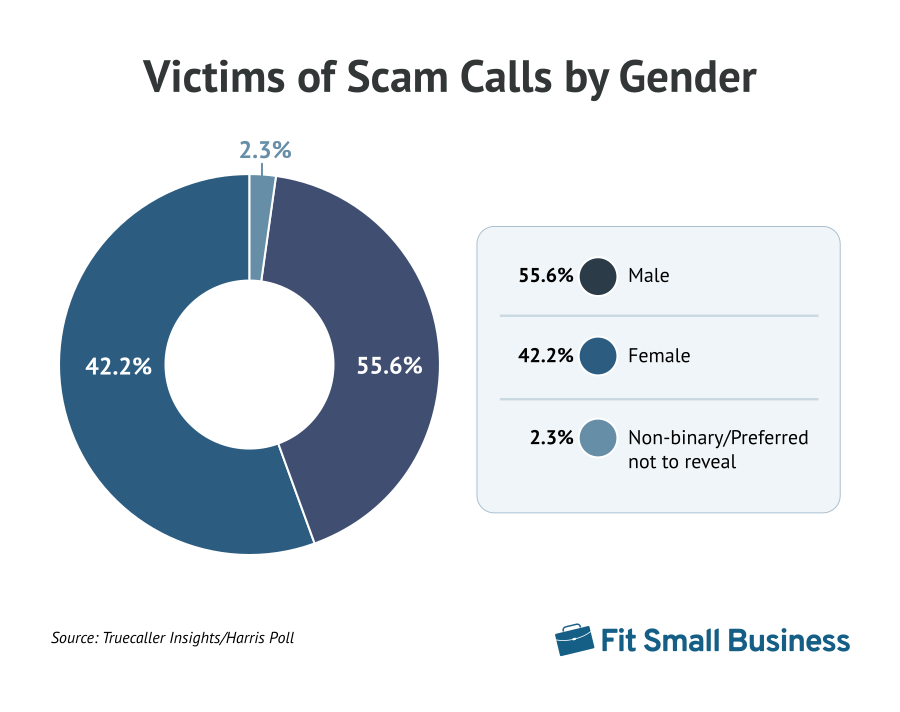
Compare options: Built-in phone features are free and simple. Apps add smarts but might cost $3-5 monthly. The registry is passive but long-term.
Looking Ahead: Scam Trends This Year
Experts say 2026 brings smarter AI scams—chatbots building fake relationships, deepfake voices mimicking family.
- Multi-channel attacks: Call leads to text leads to a fake site.
- Phantom hacker scams, where they pretend your device is compromised.
- Stay skeptical of urgency. Verify everything independently.
Conclusion
Calls from numbers like 406-226-2518 are a reminder that not every ringing phone deserves your attention. While this Montana-based number appears more linked to aggressive marketing than outright fraud, the lack of transparency and unsolicited contact make caution essential. In 2026, when robocalls and AI-driven outreach are more convincing than ever, your best defense is simple: don’t engage, don’t share personal information, and don’t call back. Use call-blocking tools, report suspicious activity, and stick to verified channels if you’re ever interested in a company’s services. A quiet phone and peace of mind are always worth it.