
Digital Wallets, Prepaid Ecosystems, and the Future of Spending
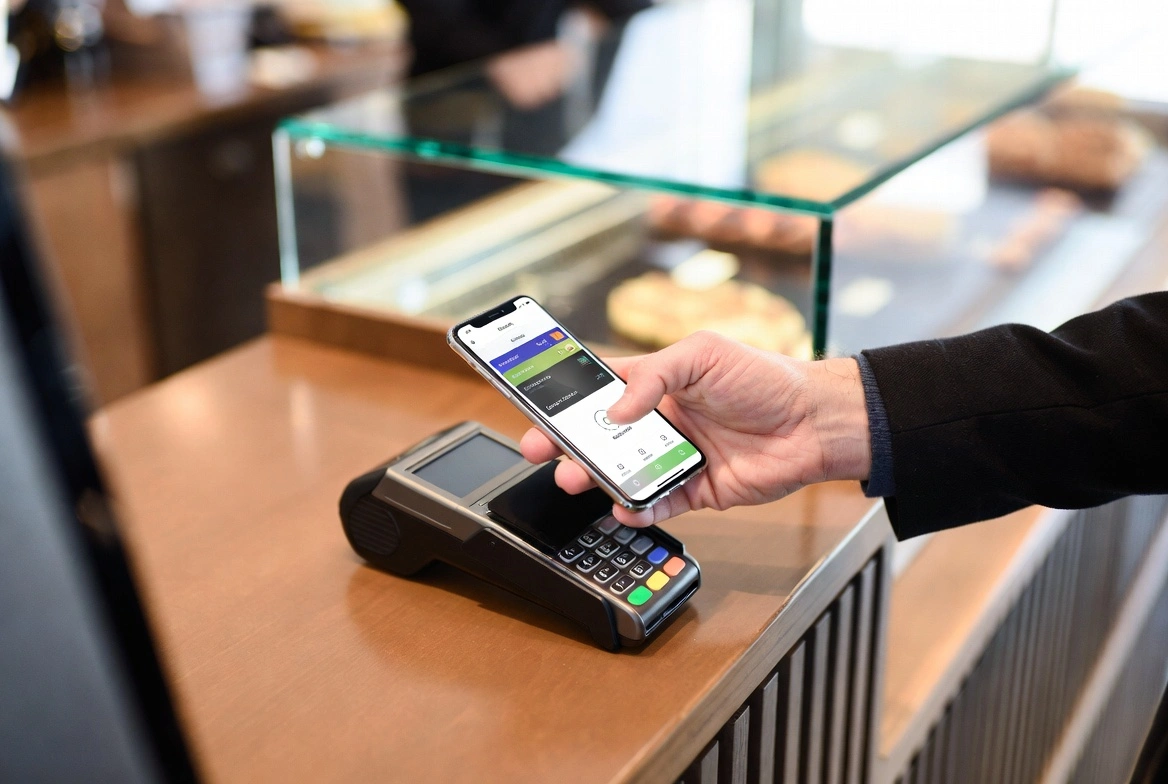
Ask someone in 2010 what a wallet was and they would have described leather and card slots. Ask today and the answer is a piece of software: a phone-resident container holding payment credentials, transit passes, loyalty cards, event tickets, identity documents, and — increasingly — money itself. The digital wallet began as a convenience layer over existing cards. It is evolving into something more consequential: the front door of consumer finance, wrapped around a growing core of prepaid, stored-value balances that behave less like bank deposits and more like a new species of money. Understanding where this is heading matters for anyone who spends, saves, or builds products around either.
From Card Container to Balance Holder
The first generation of mobile wallets was essentially a digitizer. Your card lived in your phone as a token; the payment still traveled the same old rails to the same old bank account. Useful, faster, safer — but structurally nothing new.
The second generation changed the structure. Wallets began holding balances of their own. Peer-to-peer payment apps accumulated float as users left received money sitting in the app. Super-apps in Asia demonstrated that a wallet balance could fund everything from noodles to utility bills without ever touching a card network. Transit systems, coffee chains, and game platforms trained hundreds of millions of people to preload value and spend it down. Each of these is a prepaid ecosystem: a closed or semi-closed loop where money is loaded in advance, spends instantly, and often earns perks that bank money does not.
The economics explain the momentum. For the platform, stored value means funds received before goods are delivered, reduced per-transaction network fees, and a powerful retention mechanism — a customer with a balance is a customer who returns. For the consumer, prepaid loops offer speed, budgeting clarity, and rewards: bonus value on reloads, member pricing, and instant refunds. The trade is real, though. Balance money is scattered, sometimes expiring, usually non-interest-bearing, and protected by weaker guarantees than a bank deposit. The wallet era quietly asks consumers to become treasurers of a dozen small accounts.
The Liquidity Layer: When Stored Value Learns to Move
Every prepaid ecosystem eventually collides with the same user demand: let me get value out, not just in. A balance that only flows one direction is a minor annoyance at small amounts and a serious grievance at large ones. Around that grievance, an entire liquidity layer has emerged.
Its most visible component is the secondary market for gift cards and vouchers. Digital cards are transferable bearer assets, and marketplaces now exist on every continent to buy unwanted cards at a discount and resell them to bargain-minded shoppers. Korea offers one of the clearest examples of how deep this layer can get: its gift-certificate market is mature enough to support dedicated exchange platforms — services in the mold of gift-card.imweb.me — that convert idle voucher balances into liquid funds as a routine consumer transaction. Similar dynamics, with local variations, are visible in resale marketplaces across North America, Europe, and Southeast Asia.
The liquidity layer also includes wallet-to-bank withdrawal features, cross-platform transfer services, and points-conversion brokers that shuttle value between loyalty currencies. Together these services are doing to stored value what money markets did to bank deposits: making a formerly captive asset mobile, priced, and comparable. Discounts and conversion fees function as exchange rates between the many small monies a modern consumer holds.
Two consequences follow. First, competition among ecosystems intensifies, because exit is now possible; platforms must earn the float they hold with genuine perks rather than mere lock-in. Second, the regulatory perimeter is expanding. E-money licensing, safeguarding requirements for customer balances, expiration and dormancy rules, and fraud-liability frameworks are all tightening across major markets, pushing prepaid ecosystems toward bank-like accountability without bank-like structure. Fraud pressure guarantees this continues: bearer-style value that moves instantly is a magnet for scams, and the surviving platforms are those that build verification and buyer protection into the core.
What the Next Decade of Spending Looks Like
Extrapolating current lines, a few features of the near future seem reasonably safe to sketch.
Wallets consolidate into identity hubs. Payment, ID, tickets, keys, and credentials converge in one interface, making wallet choice as sticky as bank choice once was — and making interoperability standards the decade’s central policy fight.
Balances multiply, then aggregate. The scatter problem — value fragmented across a dozen loops — creates demand for dashboards and sweep services that track, consolidate, and optimize stored value automatically, moving idle balances to wherever they earn or matter most. The liquidity layer becomes infrastructure rather than an afterthought.
Programmable money arrives through the prepaid door. Allowance wallets that only buy certain categories, corporate cards with policy baked in, benefits disbursed as restricted balances — stored value is the natural sandbox for programmability because the loop’s operator already controls acceptance.
For consumers, the practical posture is balance hygiene: keep an inventory of where your money sits, favor platforms with clear withdrawal paths and safeguarding disclosures, spend or liquidate balances you no longer actively use, and treat any stored value above pocket-money scale as seriously as you would treat cash in a drawer.
The wallet’s future, in other words, is not simply a faster way to pay. It is a rebalancing of where everyday money lives — away from a single bank account and into a constellation of purpose-built balances, connected by an increasingly efficient liquidity layer. The winners among platforms will be those trusted to hold value; the winners among consumers will be those who never forget where they left it.