Sosoactive Education: Active Learning in 2026
Remember those long school days when you’d zone out during lectures, just waiting for the bell? Yeah, me too. A lot of us went through that. The usual way of teaching—sitting still and taking in facts—doesn’t always click for everybody. That’s why sosoactive education feels like a breath of fresh air. It’s all about jumping in, talking things out, and tying lessons to stuff that actually matters in life.
In 2026, this idea is picking up steam, especially with all the cool tech we have now. Classrooms—or even online groups—turn into places where things feel alive and fun. If you’re a teacher tired of the same old routine, a parent worried about your kid tuning out, or a student who wants school to make more sense, this might be exactly what you’ve been hoping for.
Key Takeaways
- Sosoactive education swaps boring listening for real doing, and kids tend to stay interested and remember way more—sometimes 30% better.
- Sosoactive education brings in group chats, personal tweaks, and little game-like twists to help build skills you’ll actually use later.
- This way fixes everyday headaches like kids checking out or lessons that feel too cookie-cutter.
- Unlike the traditional stuff, it helps you feel more sure of yourself and better at working with others.
- You can ease into sosoactive ideas bit by bit and make any learning spot more fun and helpful.
What Is Sosoactive Education?
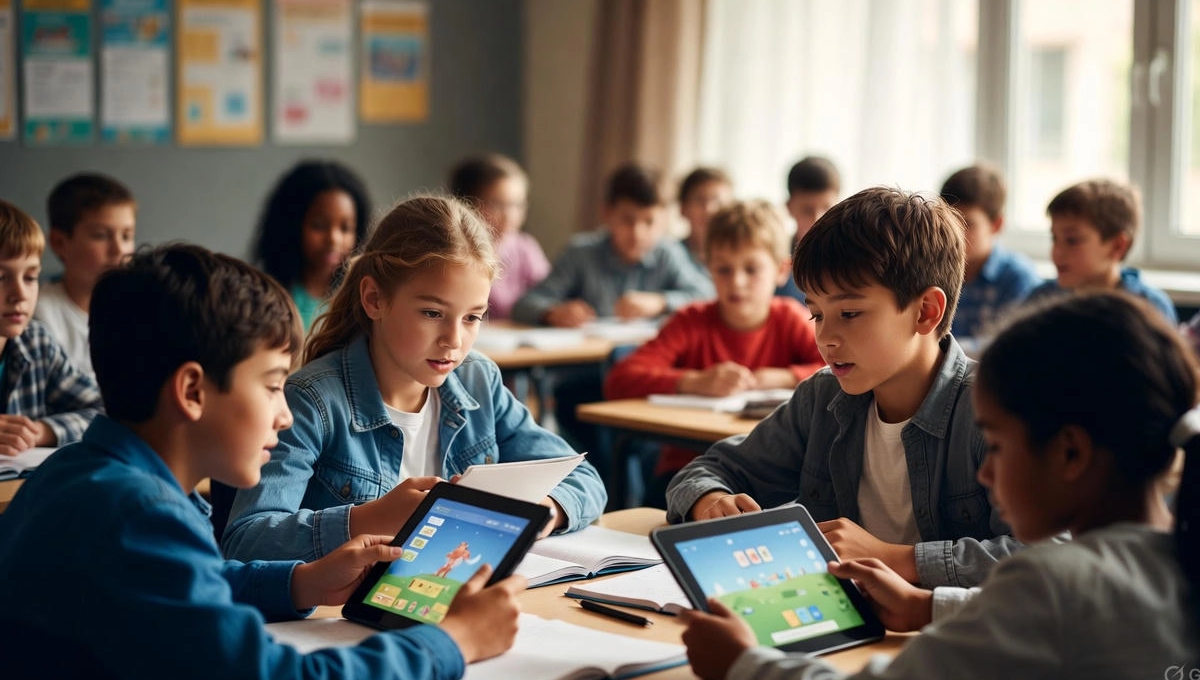
Imagine kids in class debating ideas, teaming up on projects, or messing around with apps to dig into a topic. That’s sosoactive education right there. It’s centered on the students, pushing for getting involved, sharing with the group, and linking what you learn to real situations.
Sosoactive education grows out of the thought that people learn best by trying things themselves, not just hearing about them. With tech getting better all the time here in 2026, it mixes in virtual stuff and online hangouts. Sosoactive education makes you the one driving the learning, so everything feels connected and exciting.
Several people tie Sosoactive education to the broader movement toward interactive education and prioritizing students. It just fits our world now, where you need to be good at figuring stuff out and rolling with changes.
Core Features of Sosoactive Education
So what really sets Sosoactive education apart? Here’s the stuff that makes it different:
- Tools that get you moving: Group talks, actual projects, videos or sounds that match how you learn best.
- Working together: Online spots or in-person groups where everybody throws in ideas and picks up from each other.
- Making it your own: Lessons shift to fit your speed and what grabs you, usually with easy trackers or check-ins.
- Ties to the real world: Stuff like pretend scenarios that feel like job practice.
- Bits of fun: Challenges or games that keep you hooked without trying too hard.
All this puts together a space where learning just flows from being part of it.
Benefits for Learners and Educators
Kids usually get way more into it when things are sosoactive. From what studies on active learning say, they hold onto 20-30% more compared to classes full of talks. They stay tuned in better, too—some numbers show 62% involvement versus barely 5% when it’s just passive.
For students, Sosoactive education really boosts how you feel about yourself. You give things a shot, mess up sometimes, and come out stronger. Things like chatting with people or thinking on your feet get a real workout. I saw one survey where 75% of kids said the game parts made learning feel good.
Teachers get a win, too. You step back into more of a helper role instead of talking the whole time, and that can lighten the load. Tools take care of the repetitive bits, so you spend more time with each kid. Lots of teachers say they feel less wiped out and get a kick out of watching students get excited. In the end, sosoactive education sets everybody up better for what’s outside school, with skills that actually last.
How to Implement Sosoactive Education
Want to give it a go? You don’t have to overhaul everything overnight. Here’s an easy way to start:
- Keep it simple at first: Trade one talk for a quick group chat or small project.
- Bring in tech smartly: Grab free apps for quick votes, online talks, or basic games.
- Get people sharing: Pair up or make teams to tackle problems side by side.
- Let it fit the person: Give choices on topics or how deep to go.
- Check in regularly: Wrap up with a casual “what clicked for you?” talk.
Picture a history teacher making a lesson into a friendly debate—kids look up their side and hash it out. Or math with online quizzes that have a fun scoreboard.
A few tips: Mix screen time with no-screen stuff so everybody can join. If folks need a hand getting used to it, do a little training. Plenty of places mix it into what they already do so the switch feels smooth.
Challenges and Solutions
Nothing’s flawless, and sosoactive education has its bumps. Not everyone has easy access to gadgets or good internet—that’s a real thing.
You can work around it by keeping some paper-based activities or picking tools that run on basic phones.
Another common one: Switching from the usual setup can feel weird for kids or teachers at the start. It might seem messy.
The fix is taking it slow and having backup along the way. Sharing quick wins helps get everyone on board.
Keeping talks on track matters too. A light touch of guiding helps stop things from going sideways.
With some thought upfront, these turn into no big deal. The payoff—like seeing kids happier and sharper—makes it all worthwhile.
Sosoactive vs Traditional Education
How does it compare to the regular way? Old-school often means sit quietly, listen up, and memorize for the test. It’s straightforward, but plenty of people end up drifting off.
Sosoactive turns it around: You poke around, ask questions, build things. Getting it wrong is just part of figuring it out. Side-by-side looks show active ways help grades and real understanding, especially in tricky subjects. The game touches can crank up interest—a lot, like 150% in some spots. The classic style works fine for big groups or straight facts, but sosoactive really shines when you want deeper stuff. Lots of folks mix the two—keep the structure but add the spark.
Real-World Examples and Case Studies
To make it click, here are some actual stories. There’s this middle school where kids team up online for projects on the environment, even with classmates far away. They say they feel more plugged in and pumped about it.
Or take job training for grown-ups. People practice skills in fake-but-real scenarios and swap feedback. One setup saw way more people sticking with it and doing better at work. Then there’s Alex, a kid who couldn’t sit still through talks. Once they added building models and hands-on stuff for science, everything changed. He got confident and started helping his friends. Stories like these pop up for all ages, whether in regular school or work training.
Future of Sosoactive Education
Fast forward a bit in 2026—this stuff is spreading quickly. We’re seeing more smart AI tailoring lessons, virtual reality for feeling like you’re there, and kids connecting across the globe. People who know this space think it’ll become normal in everyday schools, with extra care to make it fair for everyone. Phones will help reach more folks, and the whole game-learning market is blowing up.
It lines up great with needing to keep learning your whole life. Jobs keep shifting, so flexible and fun education is going to matter even more.
Conclusion
Sosoactive education transforms learning from passive to active. By trying even small hands-on activities, students stay engaged, build real-world skills, and enjoy the process. Whether in school or online, embracing these strategies today sets learners up for success tomorrow. Start small, experiment, and watch curiosity and confidence grow—2026 is the year learning becomes lively!