
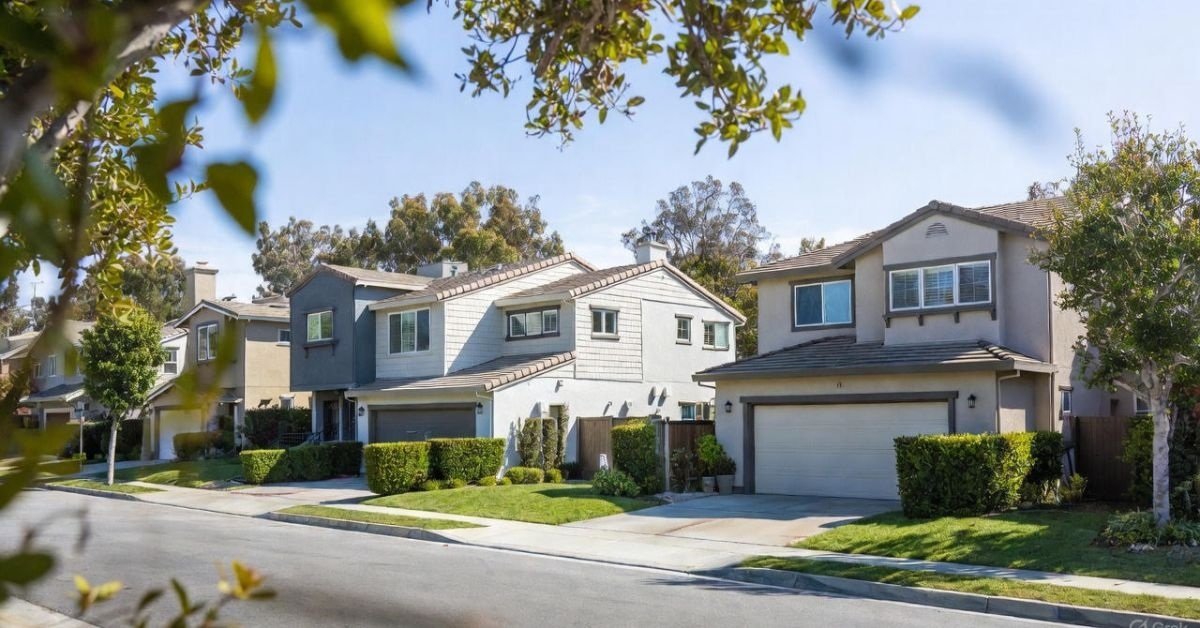
new housing developments in los angeles Hot 5 Deals
new housing developments in los angeles if you’re like me, keeping an eye on housing in LA feels like watching a slow-moving train—full of promise but often stuck in traffic. Maybe you’re hunting for a place to call home, or just curious about how the city is growing amid wildfires and high prices. Either way, let’s chat about the latest on new housing developments in Los Angeles. We’ve seen fires wipe out neighborhoods this year, pushing rebuilds, while permits dipped early on but picked up with affordable projects. Stick around, and I’ll break it down simply, new housing developments in los angeles .
Key Takeaways
- Housing permits in LA dropped sharply in early 2025, with just 1,325 approved in Q1—a 57% fall from last year—but rebuilding after fires and new affordable funds are sparking some recovery.
- The city’s facing an 840,000-unit shortage statewide, but LA’s seeing fresh projects like mixed-use towers and green builds to ease affordability woes.
- Prices are up, with median homes hitting $1.37 million by November, yet forecasts predict 10% more new home sales next year as rates ease.
- Sustainable features are big now, with nearly $1 billion in state funds going to eco-friendly housing and transit to cut costs and help the planet.
- Policies like ED-1 are speeding up approvals for affordable units, but challenges like high rents and zoning still make it tough for everyday folks.
LA Housing Market Overview
Picture this: You’re scrolling through listings, dreaming of a spot in LA, but everything seems out of reach. That’s the reality for many right now. The market’s been rough, with a big dip in new builds early this year. But as we wrap up 2025, things are shifting—fires in areas like the Palisades have led to over 800 rebuild permits, adding urgency to development. Overall, California’s shortage sits at about 840,000 units, and LA feels that pinch hard.
Market Snapshot
new housing developments in los angeles
Right now, inventory’s tight, with home prices climbing even as sales slow. By November, the median sale price hit $1.37 million, up a bit from October. That’s tough when you need around $221,000 in income to afford a mid-range home. Compared to the rest of the U.S., LA’s prices are sky-high—about three times the national average in some spots.
Key Drivers
High interest rates and material costs kicked off the year with a 57% drop in permits, but lower rates lately are helping. Fires destroyed billions in homes, forcing quick rebuilds, while economic uncertainty keeps some developers on hold. On the bright side, state policies are pushing more units—think faster approvals and funds for green projects.
Current Trends in Builds
Trends? It’s like the city’s trying to catch up after a long nap. We’ve seen a slowdown, but December brought announcements for spots like a 228-home project in Pomona and affordable units in Sherman Oaks. Folks on social media are buzzing about how new builds might worsen traffic, but they’re also excited for more options.
Trend Analysis
new housing developments in los angeles
- Multi-family units are leading, with thousands permitted despite early dips.
- Rebuilds post-fire are ramping up, especially in high-risk areas like Palisades.
- Affordable housing got a boost with $182 million for LA County projects.
- Shift to transit-near builds to cut car dependency.
- Overall, new starts might hit 10% growth next year as the market thaws.
Single vs. Multi-Family
Single-family homes? They’re pricier and slower to build—think $975,000 median in LA County. Multi-family, like apartments, offers cheaper entry points and quicker construction. For example, a new 76-unit affordable building in North Hollywood beats waiting for a standalone house in terms of cost and time. If you’re a family, multi-family might mean shared amenities; singles give privacy but at a premium.
Major New Projects
Imagine driving by a Costco and realizing apartments are stacked on top—that’s real now in Baldwin Hills. LA’s got some cool developments popping up, filling gaps in neighborhoods.
Spotlight Developments
new housing developments in los angeles
- Fourth & Central in Skid Row: A $2 billion mega-project with housing, offices, and retail—approved in October, it’s set to transform the area.
- Costco Mixed-Use in Baldwin Hills: 800 apartments above the store, blending shopping and living.
- Beverly Grove Tower: 15-story residential with mixed uses, adding density near Fairfax.
- Downtown High-Rise: 49 stories at Olympic Blvd., including homes and a hotel.
Case Studies
Take the Onni Group’s Beverly Grove project—it’s not just homes; it’s shops and green spaces, cutting commute times for residents. Compared to older builds, these have better energy efficiency. Or the $182 million-funded affordable spots in Boyle Heights—they’re helping low-income families stay put, unlike past projects that displaced folks.
Affordability Challenges
Ouch—rents starting at $2,000 for a studio? That’s the pain point. Monthly payments for homes jumped 74% since 2020, making it hard for average earners. Think of a young couple skipping vacations just to cover rent—that’s too common.
Cost Barriers
With a 1.3 million gap in affordable units for low-income renters, many pay over 30% of income on housing. Fires added to this, destroying homes worth $30 billion. Delays in permitting—up to 18 months—pile on costs.
Solutions and Tips
Here’s how to tackle it:
- Look into ED-1 projects for faster, cheaper units—many are rent-capped.
- Consider ADUs; they’re popping up in backyards for under $1,500/month.
- Compare Inland Empire spots—similar homes but 20% cheaper than LA proper.
- Use programs like BUILD for all-electric, low-cost homes.
- Track funds like the $1 billion from polluters for affordable builds.
- Join waitlists for spots like the 335 new affordable homes approved this year.
- Relocate to up-and-coming areas like Eagle Rock for better deals.
Sustainable Housing Focus
With climate worries, new builds are going green. Picture solar panels slashing your bill— that’s the future.
Green Innovations
LA County’s 2025 Sustainability Plan adds 57 actions for resilience, like energy-efficient homes. Projects in San Pedro add 47 climate-friendly units. Modular builds speed things up while cutting waste.
Benefits and Examples
Pros: Lower bills (up to 30% savings), better air quality. Compare traditional homes—they guzzle energy. Take the Green Affordable Housing Program; it helped owners go eco without breaking the bank. In post-fire Altadena, rebuilds include fire-resistant materials.
Policy and Zoning Impacts
Policies? They’re like the rules of the game. SB79 and ED-1 cut red tape, but Measure ULA slowed some multi-family starts.
Recent Regulations
ED-1 fast-tracks affordable projects, while AB 2712 ends parking perks for new builds. Zoning still protects 80% single-family areas, pushing density elsewhere.
Developer Perspectives
Developers say mansion taxes halt progress, but incentives like no parking near transit help. Compared to Austin, LA’s slower—tips: Push for local changes via community meetings.
Neighborhood and Infrastructure Effects
New builds mean more people, so traffic spikes. In Palisades, rebuilds are adding strain but also better roads.
Community Changes
Density boosts local shops but clogs streets—think Sawtelle’s ED1 project near the Expo line. Fires showed how poor planning hurts.
Pain Point Solutions
Tips:
- Advocate for transit links in new developments.
- Choose walkable spots to skip car costs.
- Report infrastructure needs to city planning.
Future Outlook and Buyer Tips
Looking ahead, 2026 could see 5% more sales, with focus on mixed-income. But affordability? It might improve with more builds.
Market Predictions
- Prices up modestly, sales rebounding.
- More green and transit-oriented projects.
- Shortage easing if permits rise.
Practical Advice
- Follow Urbanize LA for project updates.
- Compare new vs. existing—new often has warranties.
- Budget for extras like HOA fees.
- Explore Inland Empire for similar vibes, lower prices.
- Get pre-approved to beat competition.
- Watch for fire-rebuild deals in affected areas.
Wrapping up, new housing developments in Los Angeles are picking up steam despite bumps. Whether you’re buying or renting, start by checking local listings or chatting with a realtor. Small steps like that can make a big difference—give it a try and see what fits your life!
FAQs
- What are the latest new housing projects in LA?
- Recent ones include the $2B Fourth & Central in Skid Row, a 15-story tower in Beverly Grove, and 228 homes in Pomona—many with affordable units funded by state grants.
- Is housing construction slowing in Los Angeles?
- Yes, Q1 2025 saw a 57% permit drop to 1,325 units due to costs and regs, but fire rebuilds and December announcements signal a rebound.
- How affordable are new developments in LA?
- Tough with medians at $1.37M and $221K income needed; ED-1 and $1B state funds help, but many units target low-income with covenants up to 55 years.
- What sustainable features are in new LA builds?
- Solar, all-electric designs, and transit ties are common; 2025 Sustainability Plan adds resilience, like in San Pedro’s 47-unit green project.
- How do policies affect LA housing developments?
- \ED-1 and SB79 speed approvals, but Measure ULA slows multi-family; zoning favors singles, though new laws cut parking for transit-near builds.
- What’s the future of LA housing market?
- 10% new sales growth in 2026 expected, with more affordable and green focus; shortage persists but policies aim to add 2.5M units statewide.