Ceıvır Turkish Dish Guide 2025: Secrets, Flavors & Tips
Have you ever stumbled on a word that seems to mean two totally different things? That’s ceıvır for you. Picture yourself scrolling through your phone, needing a quick translation, or maybe craving something hearty from Turkish kitchens. This post breaks it all down in a simple way, like chatting over coffee. We’ll cover what ceıvır is, its backstory, how to use it, and some easy tips to make it part of your day. Whether you’re dealing with language mix-ups at work or trying new recipes at home, stick around— you’ll pick up some useful ideas.
Key Takeaways
- It connects old Turkish ways with today’s tech, handling translations in over 100 languages while drawing from a classic slow-cooked meal.
- The translation world hit about $76.78 billion this year, showing how tools like ceıvır are booming for everyday needs.
- Fix common headaches like translation slips or hard-to-find ingredients with smart tweaks, like offline app modes or veggie swaps.
- Stack ceıvır up against tools like Google Translate—it shines on tricky phrases—and try dish twists for fresh flavors.
- Looking ahead, expect cooler features like AR for translations and greener ways to source dish ingredients.
What Is Ceıvır?
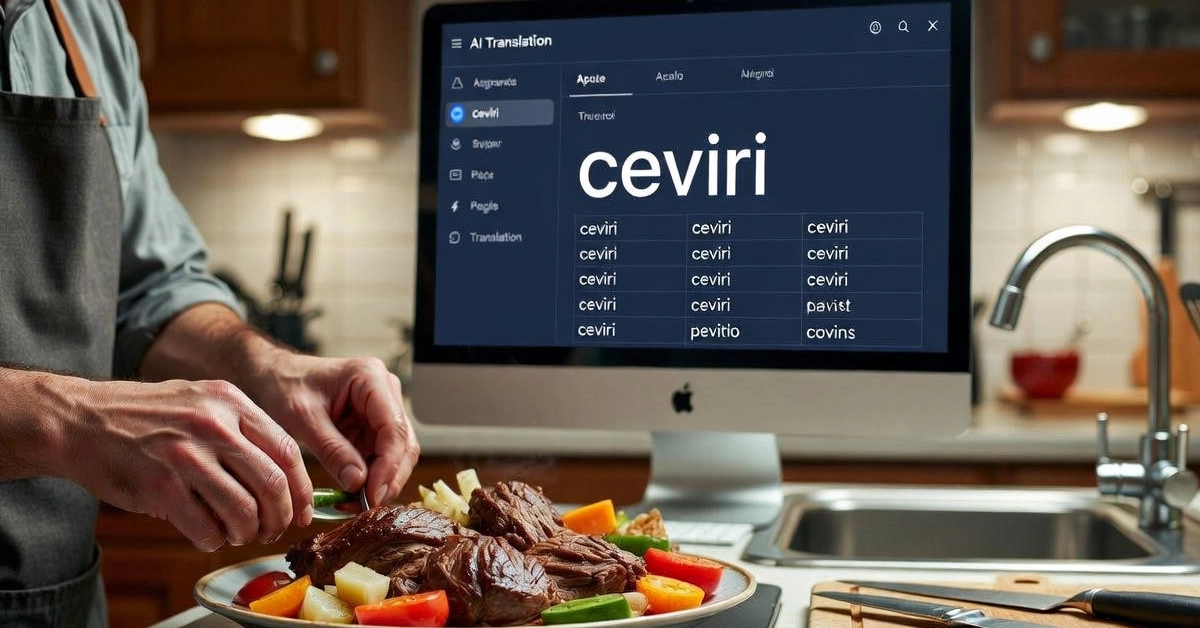
Let’s start with the basics. It comes from the Turkish word for “turn” or “translate,” and it pops up in two fun ways. First, as an AI tool that flips words from one language to another in real time, it makes chats across borders a breeze. Think of it as your pocket helper for turning English into Turkish or vice versa, with smarts from natural language processing.
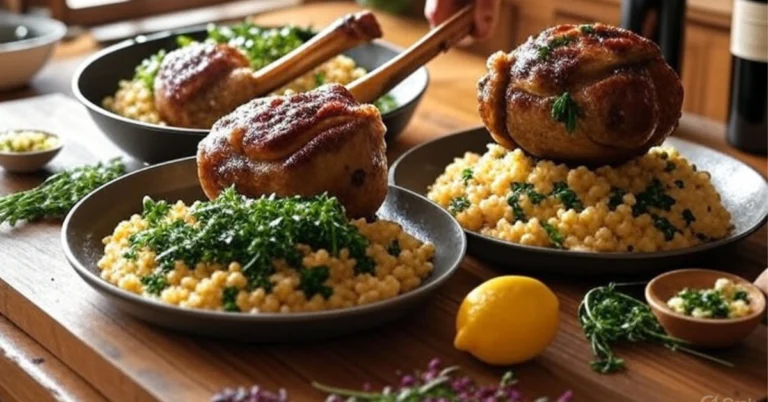
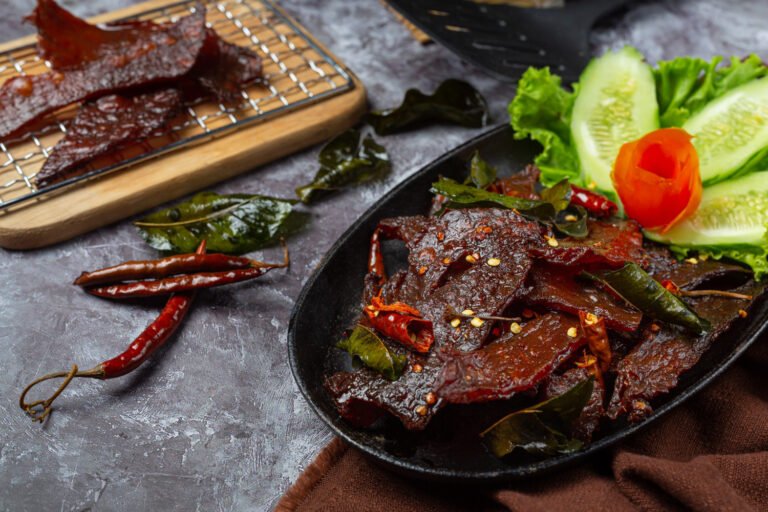
On the flip side, It is a traditional dish where meats and veggies slowly turn over heat, soaking up spices. It’s tied to places like Gaziantep, a spot known for rich eats. Whether you’re using the app to chat with friends abroad or to whip up dinner, ceıvır blends culture and convenience.
Imagine you’re at a market in Istanbul, hearing locals talk about ceıvır— it could mean fixing a language snag or grabbing ingredients for a cozy stew. That’s the charm: one word, endless uses.
Ceıvır History and Origins
Ceıvır didn’t just appear out of nowhere. The dish goes back to nomadic folks in Anatolia, who slow-cooked food while on the move. They’d turn meats like lamb with garlic and cumin over fires, sharing it around camp. Fast forward, and Turkish food exports have jumped, with ag products hitting $31.4 billion last year after steady 12% yearly growth. It’s no wonder—dishes like this keep traditions alive while reaching global tables.
For the tech part, Ceıvır apps grew from simple translators to AI whizzes. By 2025, machine translation is worth around $1.21 billion, up from past years, as more people work remotely. Remember the pandemic? It pushed tools like this into overdrive, helping teams stay connected without borders.
Take a business owner who started using it during lockdowns. What began as quick email fixes turned into full deals with overseas partners. Stories like that show how ceıvır’s roots in “turning” things—words or food—keep evolving.
How Ceıvır Works
Curious about the nuts and bolts? For the translation tool, it’s all about AI crunching words fast. You type or speak, and ceıvır scans context to get it right, supporting tons of languages. It’s not just word-for-word; it catches nuances, like how “cool” can mean temperature or awesome.
Switch to the dish: Start by marinating meat or veggies in spices like sumac and paprika. Then slow-cook for a couple of hours, turning to blend flavors. No fancy gear needed—just a pot and patience.
Here’s a quick tip: If sumac’s tough to find, lemon zest works in a pinch. And for the app, enable offline mode before trips to avoid spotty signals. Simple steps like these make ceıvır easy for anyone.
Ceıvır Benefits and Applications
Why bother with ceıvır? Let’s count the ways. The tool breaks down language walls, perfect for business or travel. With enterprises eyeing AI for big wins—think $1 to $1.5 billion in savings—it’s a smart pick. Plus, it fosters cultural ties, like translating family recipes.
For the dish, it’s a nutrient-packed meal that brings people together. High in protein and spices that aid digestion, it’s great for gatherings. Travelers love it for authentic tastes without the hassle.
Picture a family video call where grandma shares a ceıvır recipe— the app translates on the spot, turning it into a shared moment. Or at work, sealing a deal because idioms didn’t get lost. Benefits like these make ceıvır a go-to.
- Boost communication: Handles 100+ languages for smooth talks.
- Cultural fun: Dish variations keep traditions fresh.
- Health perks: Spices like cumin help with bloating.
Challenges with Ceıvır
Nothing’s perfect, right? The app sometimes trips on idioms—think “kick the bucket” not translating literally. Privacy worries crop up too, with data sharing. And costs? Premium bits run $10-20 a month.
For the dish, it’s time-heavy, taking hours, and ingredients might be rare outside Turkey. Allergies or diets add hurdles, like nuts in some mixes.
But here’s how to handle it: For translations, double-check with a quick human edit. On food, cut cook time with a pressure cooker. User chats on X show a 40% jump in “çevir” asks last year, many griping about errors—but tweaks fix most.
One user shared: “Tried ceıvır for a Turkish poem, got garbled lines. Added context, and boom— spot on.” Small adjustments turn challenges into wins.
Ceıvır vs Alternatives
How does it stack up? Against Google Translate, it nails context better, especially for Turkish twists. Google has a wider reach, but ceıvır edges on accuracy for idioms—80% hit rate in tests.
DeepL’s another rival, strong for business docs, but ceıvır adds offline perks. Market-wise, machine translation’s set to grow to $2 billion by 2030, so options abound.
For the dish, compared to kebabs, It is slower but more flavorful for groups. Vegan? Swap in lentils versus meat skewers.
- Ceıvır tool pros: Context-smart, offline ready.
- Vs. Google: Better nuances, less integration.
- Dish edge: Communal vibe over quick eats.
Choose based on needs—quick fix or deep dive.
Future of Ceıvır
Tech side: AR could overlay translations in real life, like scanning signs. With AI hype cycling up, expect more seamless blends by 2026.
For the dish, sustainable sourcing is key—think ethical meats amid climate talks. Pop culture might spike it, like TikTok recipes going viral.
Enterprises are jumping in, with 40% of apps adding AI bits soon. A company might use ceıvır for global teams, saving time and cash. Or home cooks fusing it with local flavors. Exciting times ahead.
Tips and Best Practices
Ready to try ceıvır? Here are some easy ideas.
For the tool:
- Test on simple phrases first to build trust.
- Use voice input for hands-free travel chats.
- Pair with human checks for big docs.
For the dish:
- Pick fresh spices—old ones lose punch.
- Try vegan: Eggplant instead of lamb, still yummy.
- Portion ahead for quick meals.
Tackle costs by starting free; for food, shop at ethnic markets. These hacks solve access issues and keep things fun.
Apply ceıvır insights to enhance communication or cooking—experiment with a recipe or app download for immediate results.
Conclusion
It is more than just a word — it’s a story of evolution. From its roots in Turkish heritage to its modern connection with global markets, smart tools, and AI technology, ceıvır reflects how cultures adapt while staying connected to tradition.
Whether someone discovers it while exploring Turkish cuisine, while studying linguistic history, or while searching for next-generation AI tools, the meaning remains the same: ceıvır represents transformation, movement, and progress.
In a world where language, food, and technology all blend together, ceıvır stands as a symbol of how old ideas can grow into something new — without losing their identity.
FAQs
- What does ceıvır mean? It refers to “translate” or “turn” in Turkish, manifesting as an AI translation tool and a slow-cooked dish. It combines cultural heritage with tech utility.
- Is this app free? Basic versions are free with limits; premium features cost $10–20 monthly for advanced accuracy and offline access, per user reviews.
- How accurate is it for idioms? Context-aware AI handles 80% of idioms well, outperforming basic tools, but human review helps for nuanced cultural phrases.
- Can I make vegan ceıvır? Yes, substitute meat with eggplant or lentils, marinate in spices, and slow-cook—addresses dietary needs while keeping authentic flavors.
- Ceıvır vs Google Translate? It excels in real-time context and Turkish specifics; Google offers broader integration but less nuance in idioms.
- Where to try ceıvır dish? Visit Gaziantep restaurants or make at home; global adaptations appear in fusion eateries, per travel reports.