Crocolini: Easy, Healthy, and Delicious Green
You know how sometimes you grab something from the produce section just because it looks interesting? That happened to me with crocolini a while back. I was tired of the same broccoli routine—those thick stems that take forever to chop and sometimes leave a strong taste. Then I saw these long, skinny stalks with tiny florets and thought, why not? Turns out it’s way easier to like. Mild, a little sweet, and the whole thing is good to eat.
In this post, we’ll chat about what crocolini really is, why it’s pretty good for you, how it compares to the usual greens, and some no-fuss ways to get it on your plate. If you’re tired of veggies or just want something fresh, this might be just what you’re looking for.
Key Takeaways
- Crocolini comes from mixing broccoli and Chinese kale, so you get tender stems and a sweeter taste with nothing to throw away.
- It’s full of stuff like vitamin C and K, plus calcium and iron—helps with bones, energy, and keeping colds away.
- Cooks super quick, like 2-5 minutes, perfect for rushed dinners.
- Easier on your stomach than tough greens like kale, and there are tricks if it ever feels heavy.
- It’s kind to the planet, grows well in different places, and you can even try it at home if stores don’t have it.
What Is Crocolini?
You’re in the grocery store, scanning the greens, and these bright, thin bunches stand out. That’s crocolini—a fresh hybrid from crossing regular broccoli with Chinese kale (the one called gai lan). It’s not some weird science thing; people bred it naturally back in the early 90s in Japan to make a veggie that tastes nicer and handles warmer weather better.
You can eat every bit of it—stems, leaves, little heads—no peeling or wasting. The stems stay nice and crisp, the flavor’s gentle with a touch of sweetness, and barely any of that sharp broccoli bite. People online have started playing around with the name in fun ways, like throwing it into silly posts, which shows it’s catching on in a lighthearted way. If greens usually feel like work, crocolini makes them feel simple.
- Origins and Evolution: It started around 1993 when seed folks wanted a better version of broccoli. By the late 90s it was showing up in stores, and now it’s easier to find. Just good old plant breeding, no fancy changes.
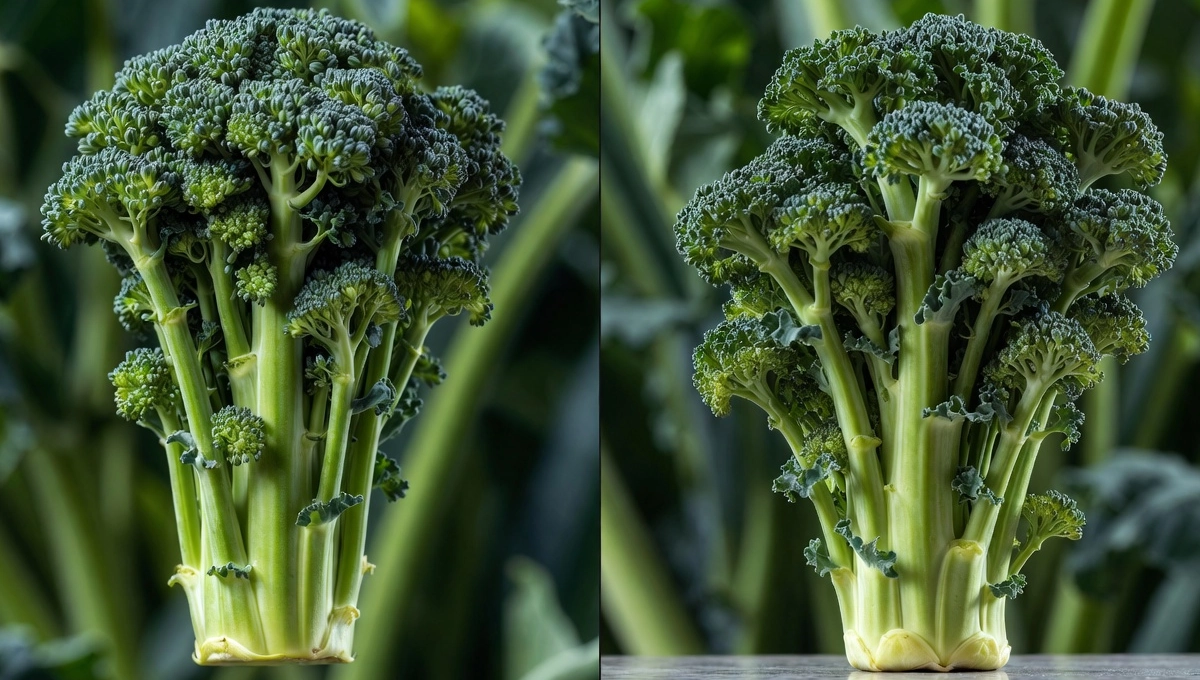
- Appearance and Flavor Profile: About 6 inches long, slim and green, with loose little tops. Tastes mild and sweet—less strong than regular broccoli but with a tiny pepper kick. A friend once called it “broccoli on chill mode,” and yeah, that fits.
Nutritional Profile of Crocolini
Why this green is worth picking up. It’s low-cal—around 35 per handful—but still fills you up because of the fiber. Think of it as a little helper for feeling better without trying hard.
The vitamins team up nicely. That vitamin C keeps your immune system going and helps your skin stay healthy. Pair it with vitamin A, and it’s good for your eyes too. The fiber helps things move right in your gut, which is nice if other veggies have ever bothered you.
- Key Vitamins and Minerals: In about 100 grams, you get a ton of vitamin C—way over what most people need daily—plus vitamin K for strong bones, some calcium, and a bit of iron to keep energy steady. There’s also this antioxidant called sulforaphane that quietly fights swelling in your body.
- Health Benefits Breakdown: Eating it regularly can help keep your heart healthier by lowering bad cholesterol, thanks to the fiber. Similar greens show they cut risks for other stuff too. It’s gentle overall, so it fits if you’re adding more plants to feel less tired or manage your weight.
Crocolini vs. Other Greens
Standing in the aisle deciding between greens? Crocolini often wins because it’s less work. It’s not that one’s always better—it depends on your day. But when you’re short on time, it saves hassle while still giving good stuff.
Compared to regular broccoli, crocolini has thinner stems, cooks faster, and tastes sweeter. Less chopping, less waste—probably 20-30% less stuff in the trash. Kale can be chewy and bitter; this one feels lighter and doesn’t need as much cooking.
- Vs. Broccolini and Broccoli: It’s close to broccolini (same parents), but folks say crocolini has even softer notes. Broccoli has bigger heads, but this one wins on speed and mildness. Home cooks I’ve heard from pick it more often for sides.
- Vs. Kale or Asparagus: No massaging tough leaves like kale, and it’s quicker than asparagus. Matches vitamin levels for eyes at a lower price, usually.
- Real-World Examples: Someone I know who watches blood sugar swapped it into stir-fries—easier to handle, and her doctor was okay with it. Online, people like it in salads over kale because it’s crunchier without the work.
How to Cook Crocolini
Getting crocolini ready feels easy. Rinse it, snip the dry ends if needed, and it’s good to go. Heat it fast to bring out the sweetness without making it mushy.
If it ever tastes flat, a squeeze of lemon wakes it right up. Friends have told me they fixed boring batches that way, and now it’s a go-to.
- Basic Preparation Methods: Steam the whole bunch for 2-3 minutes until bright green—keeps most of the good stuff. Or toss in a hot pan with oil, stems first, then tops—done in 4-5 minutes with a little garlic.
- Recipe Ideas and Pairings: Serve it in a stir-fry with soy and ginger for something quick. Or chill it after blanching for salads with nuts. Try it in pasta with olive oil—simple and tasty.
- Storage and Freshness Tips: Wrap in a damp towel in the fridge; lasts about 5 days. If it looks sad, trim and soak in water to perk it up.
Sustainability and Availability
Crocolini is pretty easy on the earth—it grows in different spots, and you use the whole thing, so less waste. That’s nice when you’re trying to choose better food.
It’s showing up more in stores now, especially in bigger places. If not, online delivery works, or check farmers’ markets.
- Eco-Friendly Aspects: You can harvest from the same plant a few times, so it stretches further.
- Where to Buy Crocolini: Look in specialty spots or big chains. Costs a bit more, but it goes far.
- Growing at Home: Seeds take 50-60 days; plant in good soil with sun. Great if stores skip it.
Potential Side Effects and Tips
Greens can sometimes upset your stomach if you’re not used to them. Crocolini is usually gentle, but fiber might cause a little bloat at first.
If you have thyroid stuff, cook it well to keep things balanced. Most people do fine once they start slow.
- Common Challenges: Raw or big amounts might feel heavy for some.
- Solutions for Pain Points: Cook it thoroughly, start small, maybe eat with something easy like rice.
Crocolini in Daily Meals
Adding crocolini doesn’t mean big changes—just little swaps. Toss stems in eggs for breakfast, chop into lunch wraps, or roast for dinner.
It works for different diets—vegan, low-carb, whatever. Families have made it fun by letting kids add extras.
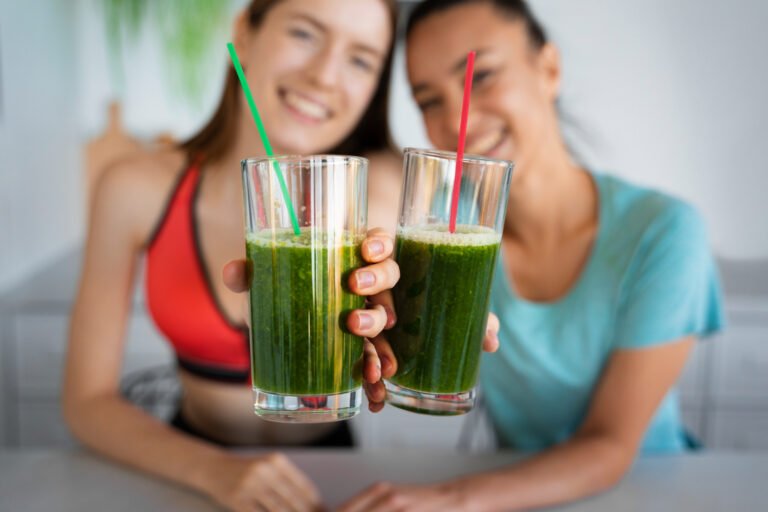
- Meal Integration Ideas: Blend into smoothies if you want hidden greens. Great in bowls or as a side.
- Dietary Applications: Pairs with anything—adds nutrients without extra calories.
Conclusion
Crocolini proves that eating healthy can be simple and delicious. Its mild flavor, quick cooking, and rich nutrients make it perfect for busy meals. Add it to stir-fries, salads, or as a side to enjoy a versatile, low-waste green that boosts health with minimal effort.