What Is Pasonet? History, Features & Uses
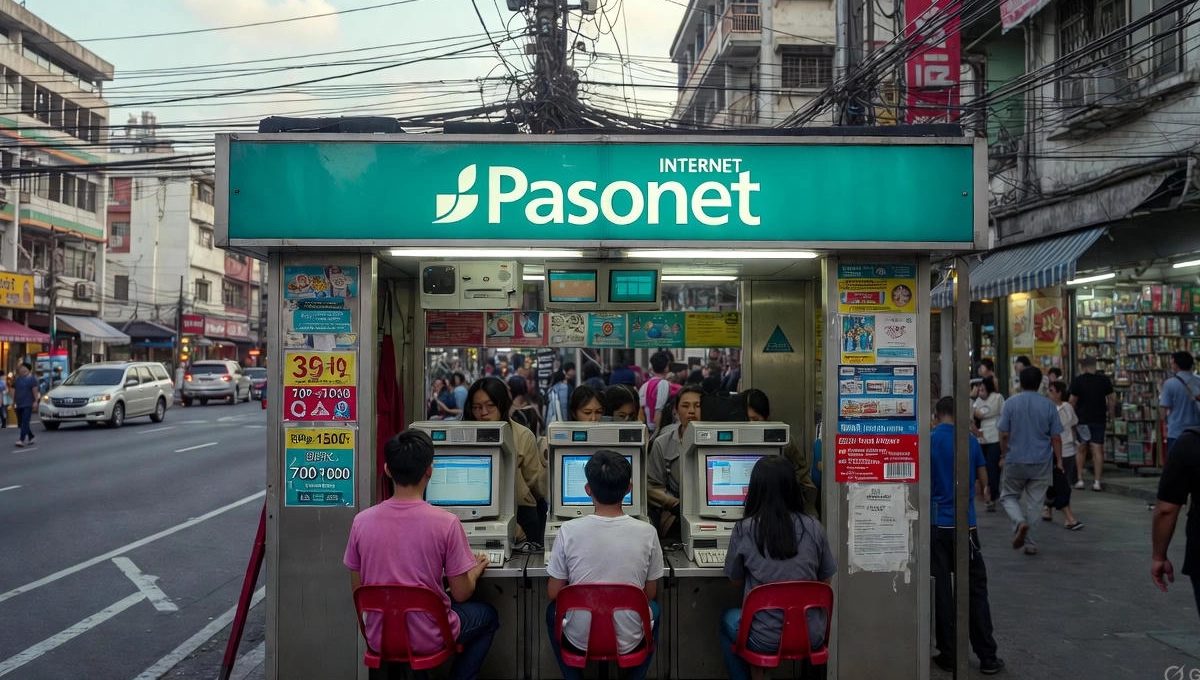
Imagine walking down a busy street in the Philippines in the early 2000s. You spot a small shop filled with rows of computers in tiny cubicles. Drop a coin in the slot, and suddenly you’re online—checking emails, playing games, or finishing homework. This was Pasonet, short for “piso net,” the coin-operated internet system that gave millions of Filipinos affordable access to the web long before smartphones became widespread.
Key Takeaways
- Pasonet, short for “piso net,” started as a simple way for Filipinos to get online without expensive home setups.
- These coin-operated booths made internet access cheap—just ₱1 or ₱5 for minutes of use—helping students and families stay connected.
- At its peak, pasonet shops earned owners ₱300–₱500 daily and became social spots for gaming and chatting.
- Smartphones slowed its popularity, but it played a big role in bridging the digital gap in the Philippines.
- Today, updated versions could return with mobile payments or faster connections for remote areas.
What Is Pasonet?
Back in the early 2000s, walking through crowded streets in the Philippines, you might have noticed tiny shops filled with small computer stations. Drop a peso into the machine, and you were connected to the internet—sending emails, browsing, playing games, or finishing school projects. This was Pasonet, short for “piso net,” or one-peso internet. Each booth ran on a single internet line, and a coin-activated timer controlled how long you could use it—usually ₱1 for a few minutes or ₱5 for a longer session. Once time ran out, the screen would lock until more coins were added.
This clever system answered a real need. With home internet expensive and personal computers out of reach for many, Pasonet gave everyday Filipinos—especially students and local communities—an affordable way to go online.
Pasonet Origins
It all kicked off around 2008–2010 in places like Manila. Entrepreneurs saw the need for cheap access and started small shops. Word spread fast, and soon Pasonet booths popped up everywhere—from cities to provinces like Cebu and Bicol.
Imagine a kid saving allowance coins to chat with friends or research a school project. These spots became hangouts where people bonded over online games or early Facebook. It felt exciting because time was limited—you made every minute count.
Modern Pasonet Meanings
These days, “pasonet” mostly recalls that era. Some new shops still run updated versions with better computers. Others mix it with mobile loads or printing services to stay useful. A few companies use similar names for tech, like edtech platforms. But for most Filipinos, pasonet means those nostalgic coin-op days.
What made Pasonet work so well? It kept things simple and fair.
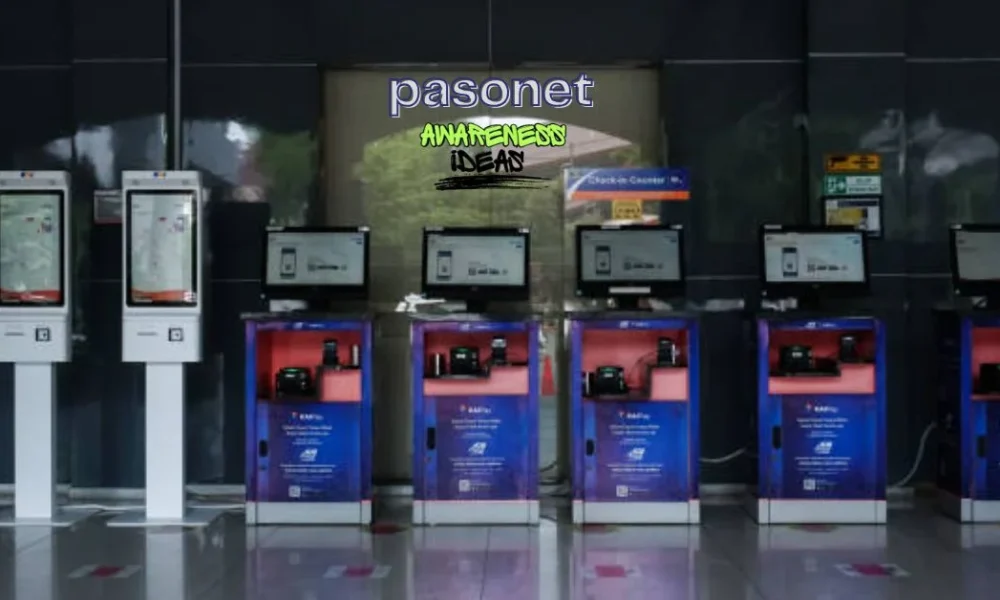
- Coin or bill slots for easy payment—no accounts needed.
- Timers to control sessions and share the connection.
- Basic setups with shared internet to keep costs low.
- Private cubicles for a bit of comfort in crowded shops.
Owners could add extras like printers or headsets. Modern ones might accept e-wallets for quicker starts.
Community and Social Impact
Beyond just internet access, Pasonet shops became lively community hubs. Teens and young adults often gather to play online games together, catch up on social media, or simply hang out after school. These small booths helped foster friendships, shared learning, and even early digital literacy for many who had never touched a computer before. In many neighborhoods, Pasonet wasn’t just about connectivity—it was a place where people connected.
Security and Setup
Shops used simple locks and timers to prevent overuse. Bandwidth was split evenly, so no one hogged it all. If you’re thinking of starting one, begin small. Get reliable internet, used computers, and a coin timer box. Tip: Pick a spot near schools for steady customers.
User-Friendly Design
No fancy skills required—just sit, pay, and browse. It suited kids, students, and adults new to computers.
Pasonet Use Cases
Pasonet touched many lives in different ways.
- Students researching assignments or submitting work.
- Friends gaming together or chatting on social sites.
- Families emailing relatives abroad.
School and Learning Uses
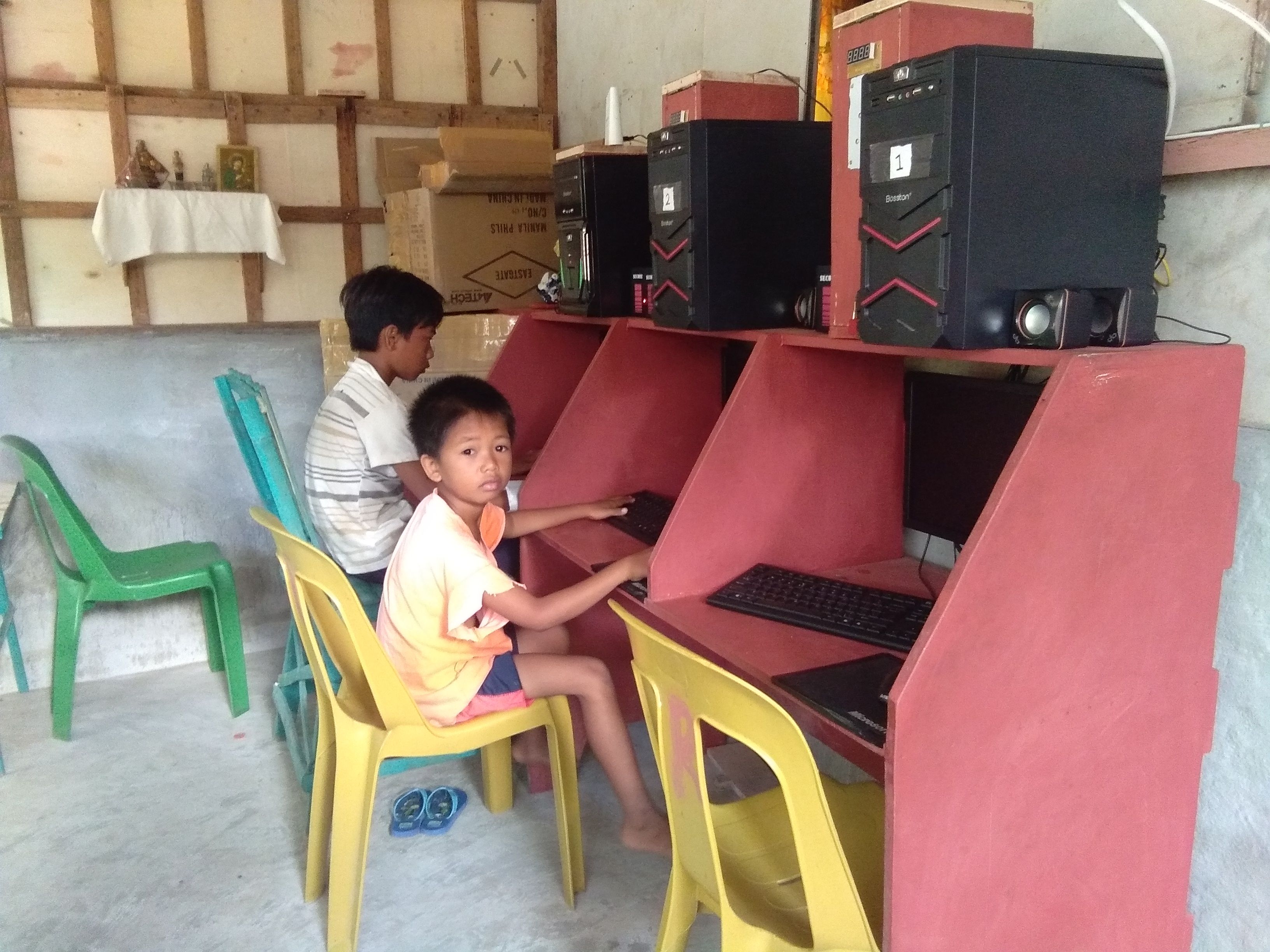
Many kids first learned computers at pasonet shops. It helped with homework when home access wasn’t an option. One story: A student saved coins weekly to practice typing and search info for projects.
Everyday and Fun Uses
It was perfect for quick checks—like job applications or online forms. Shops earned good side income, often ₱15,000–₱25,000 to set up.
The good parts were clear: Affordable access brought the web to more people. It created jobs for shop owners and built community spots.
- Low cost for users—pay only what you use.
- Easy extra income for small businesses.
- Helped close the digital divide in underserved areas.
Challenges came too. Limited time meant rushed sessions. Shared connections could slow down. Privacy wasn’t great in open booths.
Fixing Common Issues
To handle slow speeds, owners upgraded lines. For time pressure, offer longer coin options. Hygiene tip: Clean keyboards often, especially post-pandemic.
Pasonet vs Alternatives
How did it stack up?
- Pasonet vs full internet cafes: Cheaper per minute, but shorter sessions.
- Pasonet vs home internet: No monthly bills, but no unlimited use.
- Pasonet vs smartphones: Came before cheap data plans—now mobiles win for convenience.
It shone for quick, no-commitment access. It beats expensive subscriptions for many families.
Quick Comparisons
- Cost: ₱5–₱10 session vs ₱1,000+ monthly home plan.
- Access: Walk-in anytime vs needing your own device.
- Speed: Shared but enough for basics vs faster personal lines today.
Pasonet Future Trends
Smartphones and cheap data changed everything. Many old booths closed as people switched to phones. But there’s hope for comebacks. Picture solar-powered units in rural spots with GCash payments. Or community hubs with charging and Wi-Fi. Trends show interest in affordable access again—maybe for freelancers or students in remote areas.
Opportunities for Entrepreneurs
It also opened doors for small business owners. Starting a booth required minimal investment—used computers, an internet connection, and a coin timer box—but it could generate a steady income. Owners often added extra services like printing, photocopying, or headset rentals to increase earnings. For many, Pasonet was more than an internet service; it was a chance to run a profitable community-centered business.
Conclusion
Pasonet isn’t just a piece of tech history—it shaped how millions of Filipinos accessed the internet affordably. From students to small businesses, it bridged the digital divide and created community hubs. While smartphones and cheap data changed the game, the legacy of it shows the value of simple, accessible internet solutions—and inspires ideas for modern, inclusive online access in the Philippines.