Skyrises: Smart High-Rise Living Guide
Ever stared up at a towering building and thought, what would it be like to call that home? Skyrises dot our city skylines, pulling people in with promises of easy living right in the heart of the action. But jumping into skyrise life isn’t just about the view—it’s a whole shift in how you do day-to-day stuff.
Let me share a few quick wins from this read. Skyrises cram a ton of perks into one spot, like gyms and pools that cut out extra trips. They help cities grow without eating up more land, which is huge in packed places. Watch those extra fees, though—they can sneak up on you. Trends now push for greener builds that save energy and feel better to live in. And finally, think hard about what fits your routine before signing on.
Imagine you’re rushing to work, coffee in hand, and instead of a long drive, you step out your door into the buzz of the city. That’s skyrise appeal in a nutshell. But let’s break it down, starting with the basics.
What Are Skyrises?
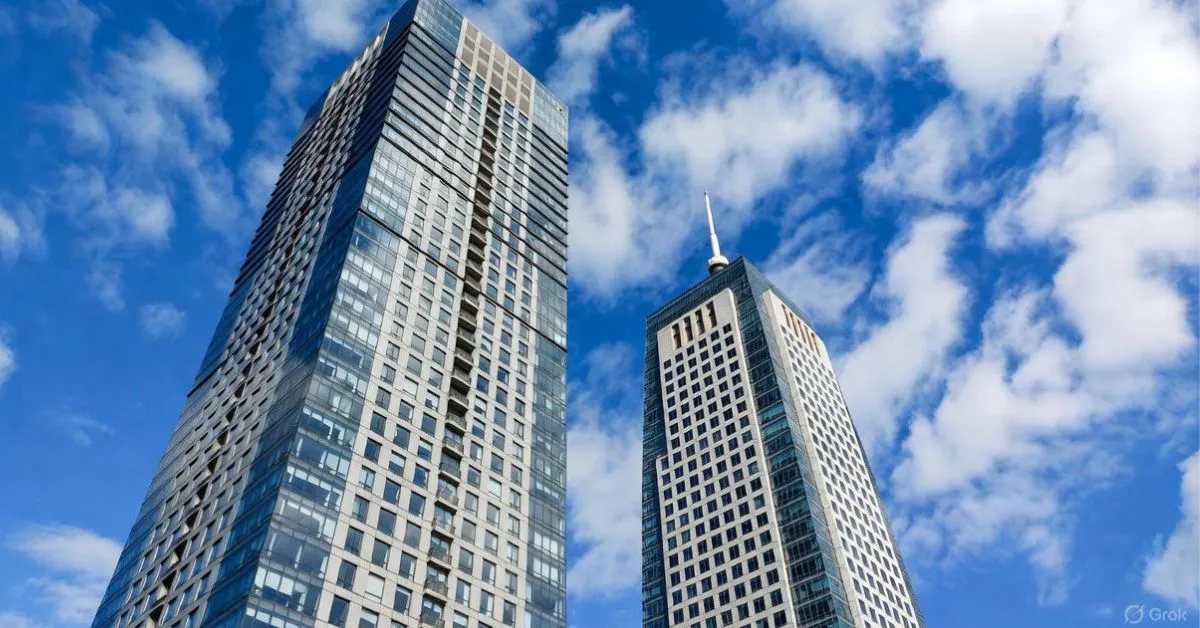
Skyrises are those tall structures that seem to touch the clouds, usually kicking off at seven stories or around 75 feet up. They’re built tough with steel and concrete, housing folks in condos or offices stacked high.
Take a city like New York or Miami—these spots are full of skyrises where people live above the streets. Residential ones might have cozy units with big windows, while mixed-use skyrises blend shops below and homes above. It’s all about making the most of vertical space in tight urban spots.
Now, folks often mix up skyrises and skyscrapers. A skyrise is any high-rise, but skyscrapers push past 150 meters or 40 stories, like icons that define a skyline. Picture a 25-story apartment block—that’s a solid skyrise. But something like the Burj Khalifa? That’s skyscraper territory. Knowing this helps when you’re hunting for a place that feels just right.
History of Skyrises
Skyrises have roots that go way back. Think ancient Rome, where folks stacked apartments called insulae up to 10 floors high, climbing rickety stairs to get home. Or in Yemen’s Shibam, those mud-brick towers hit 16 stories for safety from floods and foes.
Things really took off in the 1800s with elevators and steel beams changing the game. Post-World War II, cities exploded with people, so skyrises sprang up fast—think those concrete blocks in Europe inspired by architects like Le Corbusier. In Asia, Hong Kong led the charge, building thousands to fit millions.
Fast forward to now, and skyrises keep evolving. In 2026, with over 569 skyscrapers in Hong Kong alone, they’re not just about height anymore. They’re smarter, greener, and tied to how we live today. It’s like watching a story unfold, from survival needs to modern comfort.
Benefits of Skyrises
Living in skyrises has its bright sides that can make city life a breeze. Ever woken up to a view that stretches out forever, making your morning feel epic? Higher floors in skyrises deliver that, turning a simple breakfast into something special.
Then there are the built-in extras. Many skyrises come with pools, gyms, or even rooftop spots for hanging out. Say you’re in a bustling area like Seoul, where 80 percent of people call apartments home—those amenities mean less time hunting for a workout spot. Plus, security like keyed entries or doormen keeps things safe without much effort.
On a bigger picture, skyrises smarten up urban growth. They pack more homes into less ground, fighting sprawl in crowded cities. In places like Shenzhen, this efficiency lets neighborhoods thrive without endless suburbs. It’s practical stuff that adds up to easier living.
But hey, if you’re eyeing one, chat with current residents. They might tip you off to hidden gems, like a quiet lounge that’s perfect for remote work.
Challenges of Skyrises
No setup is flawless, and skyrises have their hurdles. Picture this: You’re all set for a quick exit, but the elevator’s jammed with neighbors during peak hours. Those waits can test your patience, especially on busy mornings.
Costs pile on too. HOA fees cover upkeep for shared spots, but they can climb with repairs or rising prices. In 2026, with building materials fluctuating, these extras might hit your wallet harder than expected. Utilities often run higher up top, thanks to wind or sun exposure.
Health-wise, some feel cut off from the ground, leading to a bit of cabin fever. Research points to more stress in tall setups, maybe from less casual chats with neighbors. Safety’s another angle—evacuations in fires need solid plans, like those lessons from past events.
Here’s a hack: Pick a mid-level floor to dodge extreme sway and cut wait times. Or join building events to build that community feel—turns isolation into connection.
Trends in Skyrises
Skyrises are shifting gears in 2026, leaning hard into smart and green ideas. AI is sneaking into designs, helping architects tweak layouts for better flow or energy use. Think buildings that adjust lights based on who’s around—saves power and feels futuristic.
Sustainability’s big too. New skyrises add solar panels or green roofs, cutting down on bills and helping the environment. Forecasts show over 135 tall builds wrapping up this year with these features, like adaptive reuse turning old offices into homes.
Tech innovations make daily life smoother. Smart apps control your unit from afar, locking doors or setting temps. In projects like Zaha Hadid’s in Shenzhen, curvy shapes improve air flow and add style. It’s all about blending comfort with planet-friendly choices.
If you’re curious, look at rising US spots—like New York’s 789-foot residential tower finishing soon. These show how skyrises adapt to what we need now.
Choosing a Skyrise
Picking a skyrise? Start by figuring out your must-haves. Location’s key—want to be near work or parks? Scope out the area during different times to catch the real vibe.
List out the ups and downs to weigh things. On the plus side:
- Killer views that beat any postcard.
- No mowing lawns or shoveling snow.
- Built-in spots for socializing or relaxing.
But consider the flips:
- Lines for elevators that slow you down.
- Those sneaky fees adding up monthly.
- Less backyard space for pets or kids.
A buddy of mine moved into one and swears by visiting open houses. He found a spot with fast elevators and great management—made all the difference. Test it out yourself; it could save headaches later.
Real-World Examples
Check out Central Park Tower in NYC, soaring 1,550 feet as the tallest residential skyrise. It’s got theaters and pools, showing luxury at its peak. Residents rave about the convenience, but yeah, the price tag matches.
Over in Seoul, Samsung Tower Palace mixes green areas with high living. Folks there share tips like choosing units away from busy sides to cut noise. It’s a real mix of tech and nature.
Or take Miami’s projects—they blend work spaces below with homes up top, fighting that isolated feel. Imagine working downstairs and heading up for dinner. Case studies like these prove skyrises can fit different lifestyles if you pick smart.
One story: A family I know swapped suburbs for a skyrise and loved the shorter commutes, but added plants everywhere to bring in that outdoor vibe. Small tweaks like that make it homey.
Comparisons to Alternatives
Skyrises shine in packing people close, but low-rises offer easier access to the ground. In a low-rise, you might have a small yard or quicker stairs—no waiting around. But they take more land, leading to spread-out neighborhoods.
Against suburban houses, skyrises win on being central. No hour-long drives; everything’s walkable. Suburbs give quiet and space, though, without the monthly dues. Data shows young workers flock to skyrises for the energy, while families often pick suburbs for better schools.
Suppose you’re a remote worker— a skyrise’s quiet upper floors could be ideal. But if you crave a garden, low-rise or suburban might call your name. It boils down to your daily rhythm. In 2026, with more hybrid work, skyrises add appeal with built-in offices. Weigh what excites you most.
FAQs
What defines a skyrise?
Skyrises are tall buildings, typically 7 stories or 75 feet high, used for residences or offices. They differ by region but focus on height and elevators for access.
How do skyrises differ from skyscrapers?
Skyrises are general high-rises up to 40 stories, while skyscrapers exceed 150 meters or 40 floors, often iconic landmarks. The line blurs but height sets them apart.
What are skyrise living benefits?
Enjoy stunning views, amenities like pools, and central locations. They cut commutes and offer security, making urban life simpler and more exciting.
What pain points exist in skyrises?
Elevator waits, high fees, and isolation top the list. Noise or sway can bothersome, plus emergency evacuations need careful thought.
Are skyrises sustainable?
Yes, many add solar panels and green roofs to reduce energy use. Trends push for eco-friendly builds, helping cut urban footprints.
What trends shape skyrises in 2026?
AI in designs, adaptive reuse, and sustainable features like solar dominate. New builds focus on resilience and smart tech for better living.
Try scouting a skyrise tour soon—see if that vertical life sparks joy for you!